
Planning meals using pantry staples is a smart way to make cooking easier, save money, and reduce food waste. With a well-stocked pantry and a bit of creativity, you can whip up a variety of tasty dishes without needing to run to the store every day. In this blog post, we’ll guide you through the steps to plan meals from pantry essentials, including how to organize your pantry, create meal ideas, and prepare balanced menus that suit your lifestyle.
Why Plan Meals from Pantry Staples?
Meal planning focuses on organizing your meals in advance, which helps to:
– Save time during busy days
– Reduce last-minute stress about what to cook
– Minimize trips to the grocery store
– Use what you already have, decreasing food waste
– Stick to a budget by limiting impulse buys
Pantry staples — those non-perishable items like canned goods, grains, dried herbs, and more — offer a solid foundation for a wide range of meals.
Step 1: Take Inventory of Your Pantry Staples
Start by assessing what you currently have. Pull everything out and note common pantry items like:
– Grains: rice, pasta, quinoa, oats, couscous
– Canned goods: beans, tomatoes, vegetables, broth
– Baking essentials: flour, sugar, baking powder, yeast
– Oils and vinegars: olive oil, vegetable oil, balsamic vinegar
– Spices and herbs: salt, pepper, garlic powder, dried basil, chili flakes
– Nuts, seeds, dried fruits
– Condiments: mustard, soy sauce, hot sauce, peanut butter
Keep a list handy, updating it as you use ingredients or buy new ones.
Step 2: Organize Your Pantry for Easy Access
A neat pantry helps you see your staples clearly, making meal planning easier. Consider these organizing tips:
– Group similar items together (e.g., all canned beans on one shelf)
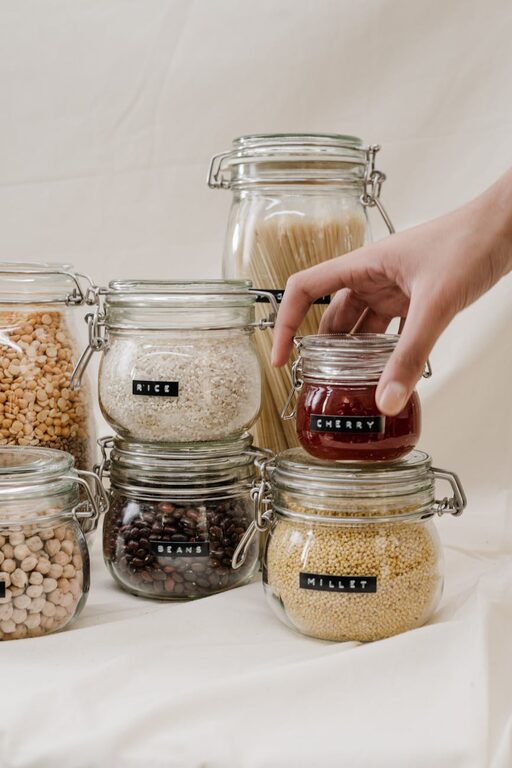
– Use clear containers for loose items like rice or flour
– Label shelves or containers for quick identification
– Place frequently used items at eye level
– Store bulkier items on lower shelves for safety
An organized pantry encourages creativity and helps reduce food waste.
Step 3: Plan Your Meals Around Key Staples
Use your inventory list to think about meals. Here are a few ideas based on common staples:
Grains + Canned Beans + Vegetables
– Vegetarian chili: canned beans, diced tomatoes, onions, chili powder, served over rice
– Pasta primavera: pasta with canned mixed vegetables, garlic, and olive oil
– Quinoa salad: cooked quinoa, canned corn, black beans, and vinaigrette
Rice + Broth + Spices
– Simple fried rice: cooked rice, eggs, soy sauce, frozen or canned vegetables
– Risotto-style rice: rice slowly cooked in warm broth with garlic and parmesan (if available)
Baking Essentials + Peanut Butter
– Peanut butter cookies: use flour, sugar, baking soda, peanut butter, and eggs
– Quick pancakes: flour, baking powder, sugar, milk, and eggs
Breakfast Using Oats and Dried Fruits
– Overnight oats: oats soaked overnight in milk or yogurt with dried fruits and nuts
– Baked oatmeal: combine oats, baking powder, dried fruits, and milk; bake until set
Step 4: Incorporate Fresh Ingredients When Possible
While pantry staples form the meal base, adding a few fresh ingredients can boost nutrition and flavor:
– Fresh vegetables and fruits: leafy greens, tomatoes, onions, garlic, apples, bananas
– Dairy or dairy alternatives: cheese, yogurt, butter
– Proteins: eggs, canned or frozen fish
Plan weekly shopping trips focusing mainly on fresh produce and perishables, complementing your pantry-based meals.
Step 5: Create a Weekly Meal Plan Template
Use your ideas to sketch out a flexible meal plan. Example:
| Day | Meal Idea |
|————|———————————-|
| Monday | Chili with rice |
| Tuesday | Pasta with canned vegetables |
| Wednesday | Fried rice with eggs |
| Thursday | Quinoa salad |
| Friday | Peanut butter cookies and fruit |
| Saturday | Overnight oats with nuts |
| Sunday | Baked oatmeal for brunch |
Adjust based on your schedule and preferences, and remember to leave room for leftovers or spontaneous meals.
Step 6: Save Time by Batch Cooking and Freezing
Batch cooking meals like chili, soups, or baked oatmeal allows you to have ready-to-eat options during busy days. Freeze portions in airtight containers, so you can thaw and reheat easily.
Final Tips for Success
– Keep your pantry stocked with versatile staples you enjoy.
– Rotate pantry items so older goods are used first.
– Experiment with spices to change flavor profiles.
– Have backup recipes that rely mostly on pantry items.
– Use online recipe databases to find inspiration matching your ingredients.
Planning meals from pantry staples not only makes cooking more accessible but encourages using what you have creatively. With these steps, you’ll be prepared for tasty, satisfying meals anytime. Happy cooking!